The True Value of AI Series: Part One
Removing Dependence on Some People - and Watching Them Get Mad About it.
By Corey A. Burkes6 min read
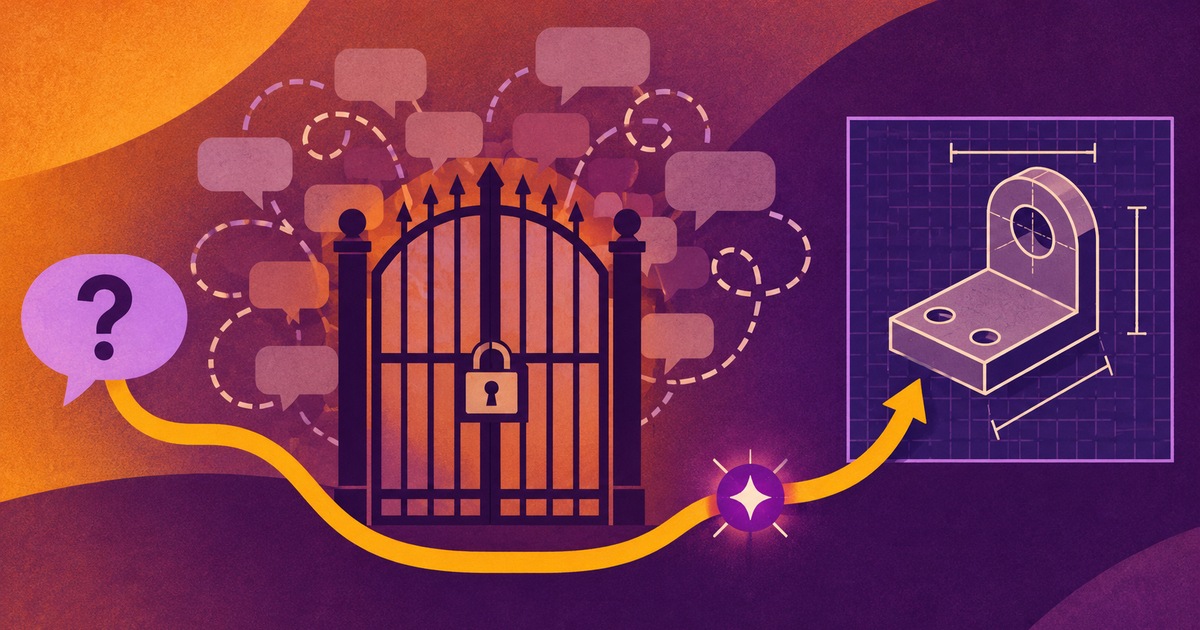
Recently, I took a step back and considered something very interesting. I took stock of all the AI hate out there and the people I've come across who, quote, "didn't understand or trust it," and those who outright refuse to use it.
Then I looked at all the people who were using AI: making generative AI videos, getting help producing verbiage for their sites, or creating those, I admit, god-awful AI flyers that have the same style and gloss. All the people putting AI to work for themselves. Myself included.
When you drill down and look at both sets of people, it comes down to two primary types:
- People who are used to being the guardians of knowledge and the people others rely on. The 'know-it-alls,' for lack of a better term.
- People who were forced to rely on the first group and now don't have to.
From my perspective, this is where the reality we're living in is about to shift dramatically, and it's probably the true reason for all the angst.
The Never AI People
I have real-life examples without naming names. I spend enough time online to see the same thread in what people post about AI: these are people who prefer that you come to them for advice and information, and who often enjoy being in positions where they have control.
If you go by the fearmongering and movies like The Terminator, of course AI looks and feels scary. Even if I were to agree with the simple principle that 'anything made by man will pervert itself and become harmful to mankind,' the argument against AI is stronger than the one against, say, the common North American rifle or gun. Also made by man, proven to be killing people every few seconds worldwide, but still not enough anger to develop gun control laws.
Well, that's because people think guns can protect them. That will be another argument.
AI doesn't protect them and, in many cases, is designed to challenge their way of thinking.
It's one thing for me to spout all day that a civil jury found Donald Trump liable for sexually abusing E. Jean Carroll. For any number of reasons, people online will challenge that and say it didn't happen.
It's another for AI to produce receipts, pull up the court documents, and show you what the civil jury actually found. Those 34 criminal counts were for falsifying business records in a separate case. People don't like being proven wrong. Least of all by a 'machine.'
Take Reddit, for example. True to my nature, not a fan. Never have been. Never will be.
I don't need to jump onto a service to ask a question for a million 'know-it-alls' to give me their perspectives. 1,000 assholes = 1,000 points of view.
Now, understand my perspective. I don't want 1,000 perspectives from random people who like spouting that they know something. Reverse that emotion, and you'll have 1,000 people who enjoy spouting what they know not liking a single source that isn't them.
That's why AI is my playground. A singular voice providing the information I need to execute.
Because I cut off 1,000 people from giving me scattered information, my time online has been so much quieter unless I just want to rant on Threads or Facebook.
I have family members who fit that 'leadership' mold, so to speak. You know you have that one family member or two who organize things and make you feel like you're not as structured as they are.
Here comes AI, and that family member gets relegated to just 'family member,' and you don't need to ask too many questions. They suddenly don't feel needed, which isn't really the case. Then they refuse to use AI because it's not what they're used to. I put a family member to the task of creating something they needed through AI, and as you can guess, they didn't even bother to keep trying.
The list is long, and it's always the same archetypal person: stubborn, unwilling to change, convinced they know everything, maybe even has a Mensa qualification of some sort, and comfortable with you coming to them for 'advice.'
Right about now, many of them feel cut off.
Go give them a hug.
The 'Thank God for AI' People
This is me.
So, at home, you have a plumbing situation where you need to know what size fitting you need for the sink in your bathroom. You jump on Reddit and ask your question with detailed pictures in some group like r/Plumbing-Help.
You wait about an hour, and then the answers from commenters come in.
- One person asks another question and wants another picture if possible.
- One person, claiming to have been a professional plumber for 25 years, gives you some complex answer that leaves you with more questions. Which might be fine if you're interested in being social that way.
- Another person asks why you didn't just Google it.
And this goes on for a few days. Maybe you get closer to your answer. If you started this post on Monday, you might get a clear answer by Wednesday. Maybe.
Could these people be right? Maybe. It's up to me to test and try and see.
I ask ChatGPT the same question, show it the same pictures, and I get an answer immediately.
Could ChatGPT be right? Maybe. It's up to me to test and try and see.
The discerning human shouldn't blindly trust humans or AI. Verify all work.
But here's the value I get out of asking AI versus asking Reddit and know-it-all family members:
- I get the answer immediately.
- I don't get snarky responses.
- I don't have to leave a voicemail for family to get back to me when they can.
Then it gets even deeper.
Ideas. You should NEVER jump on Reddit and proclaim you have an idea to make a better widget and expect to get any useful feedback. I don't advise anyone to get online and ask people what they think of your ideas. It will not go well, and you will only be discouraged. Don't listen to anyone. Move forward with your ideas and just see for yourself.
You can tell a family member or people online about your ideas, and what will happen is you'll get their perspective of reality on your idea. And their perspective doesn't mean anything. The only perspective that matters is yours.
AI factors that into its very coding and doesn't offer opinions on your idea unless you ask it to.
If you have an idea to build a new widget, its only function is to advise you on how to make it happen. Maybe it will tell you there are a million other widgets out there, but what I know you don't get from family and strangers online is 'That's okay. Let's see how we can make your specific widget unique.'
Know-it-all people aren't wired to 'support, encourage, and find a way.'
AI isn't wired to support or encourage either, but it is designed to help find a way.
When I last checked, for any project we ever wanted to build, all of us just wished we had someone on our side. They didn't have to like what we were doing, but a little bit of support, encouragement, and, at minimum, help me find a way to make it succeed would have been nice.
When you start using a system that helps you succeed when others have not, you can only imagine why people, including myself, turned to AI to get things done.
In the second part of this series, I'll get into AI vs. Gatekeepers.